There is a particular kind of Puglia that fills the travel supplements — the one with queues for Polignano a Mare's sea-view restaurants, shoulder-to-shoulder selfies on the trulli of Alberobello, and hire car convoys circling Ostuni's whitewashed walls. It is beautiful, undeniably. But it is not the Puglia that rewards patience.
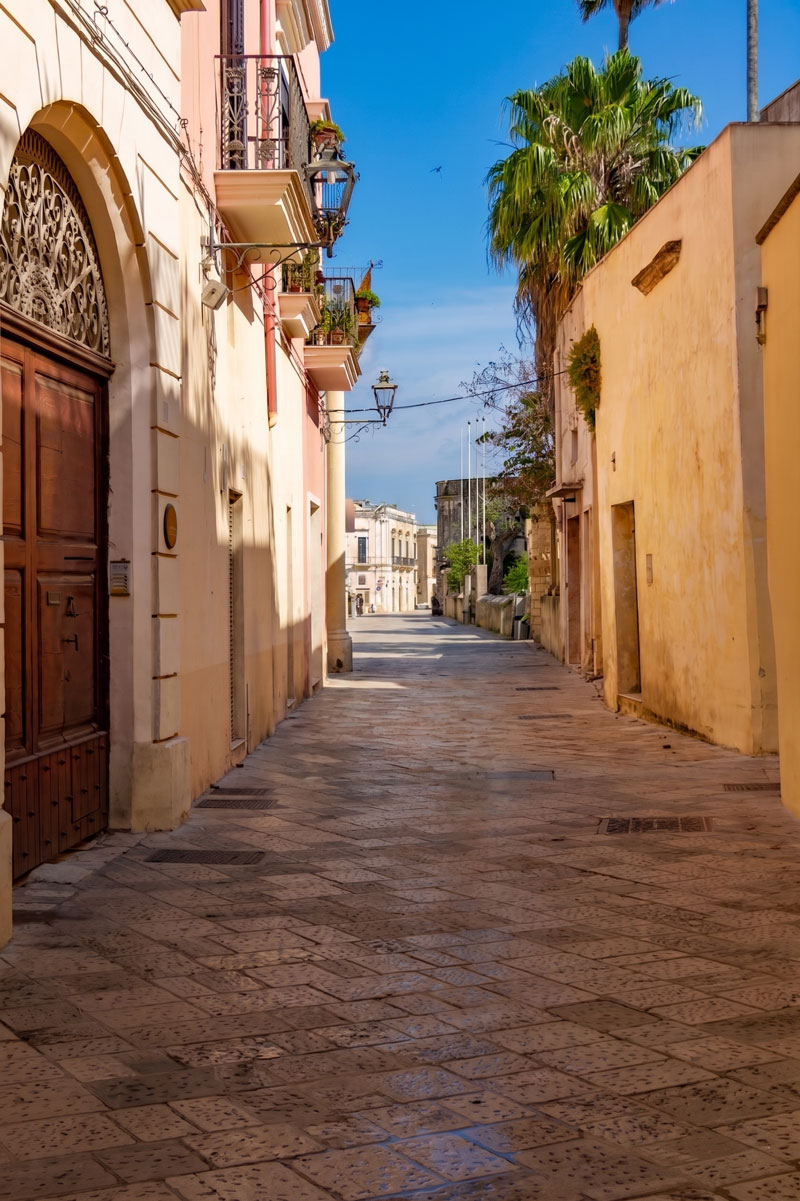
An hour south of Brindisi, in the deep Salento peninsula, Nardò sits in honeyed, unhurried splendour. Its Piazza Salandra — genuinely one of Italy's great Baroque squares — can be crossed on a summer morning without passing another tourist. Its streets smell of coffee and stone, not sunscreen. The passeggiata still happens every evening because it has always happened, not because a tourism board decided it should.
Nardò offers everything travellers come to Puglia for: extraordinary Baroque architecture, crystalline Ionian beaches, the finest food and wine in the south, and a landscape that has barely changed in four centuries. What it does not offer is the crowd. For those willing to look slightly beyond the well-trodden trail, it is the most rewarding destination in the region — and staying in a carefully restored 16th-century palazzo at the heart of the old town completes the picture entirely.
What Makes Nardò Special?
Nardò has been inhabited since before the Greeks, but it is the 16th and 17th centuries that gave the town its distinctive character. A succession of wealthy bishops and noble families poured their fortunes into churches, palazzi, and civic buildings in the extravagant Baroque style then sweeping the Kingdom of Naples. The result is a compact historic centre of rare architectural coherence — not a museum piece, but a living town of some 30,000 people who simply happen to go about their daily lives amid extraordinary buildings.
“Nardò is not a tourist set piece. It is a real Salento town that happens to contain one of Italy's finest Baroque squares.”
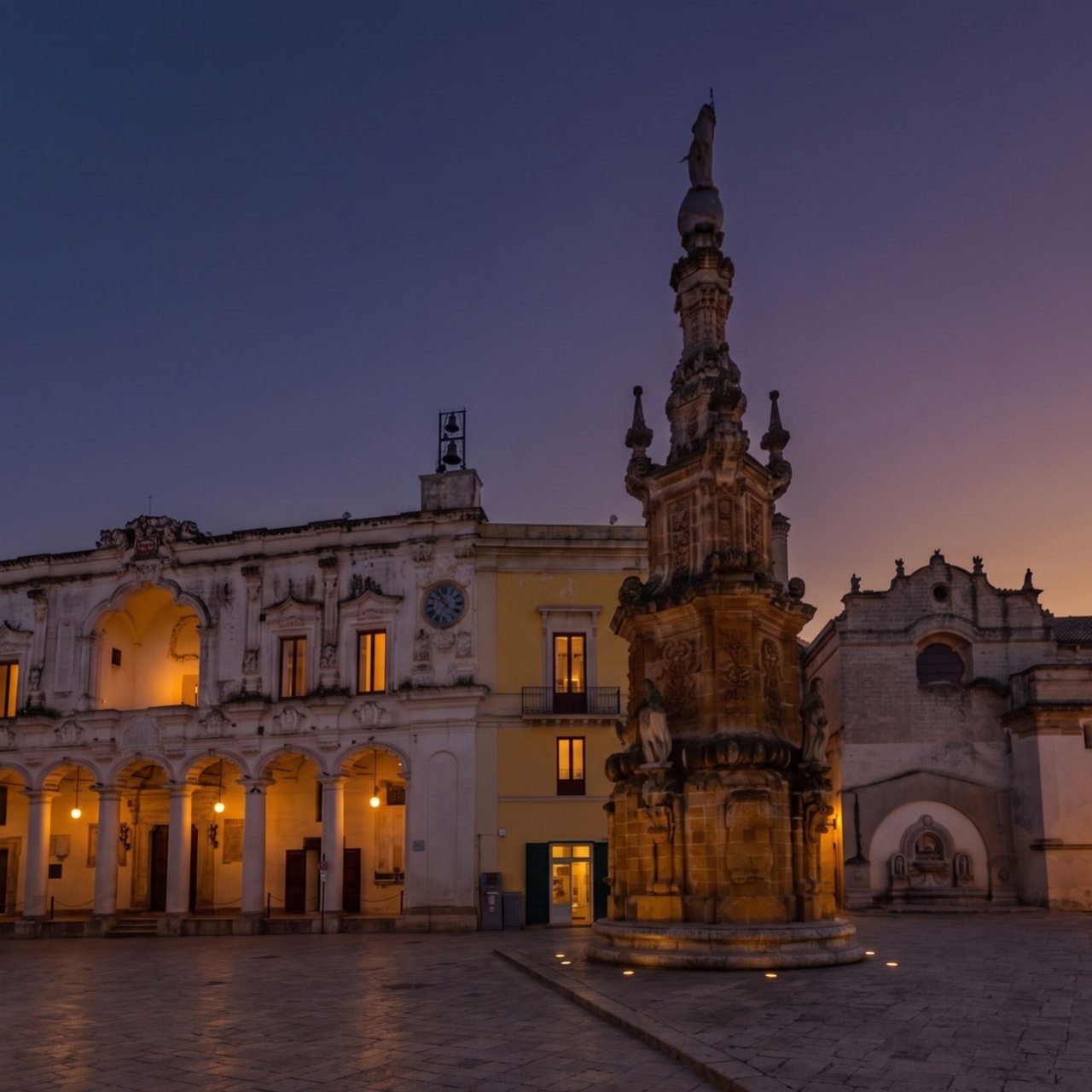
The centrepiece is Piazza Salandra, anchored by the elaborate Guglia dell'Immacolata and framed by the Cathedral of Santa Maria Assunta, the Palazzo Municipale, and a ring of Baroque palazzi whose ochre and cream façades glow in the late afternoon light. It is the kind of square that stops conversation — and, remarkably, you may have it almost to yourself.
Beyond the piazza, the lanes of the centro storico reward unhurried exploration. The ancient Messapian walls that once encircled the town can still be traced in the street plan. The cathedral contains works of genuine importance, including a remarkable 12th-century fresco cycle. Small wine bars — enoteche — occupy the ground floors of palazzi that have stood since the Renaissance. At the Friday market, locals buy vegetables and olives with the same easy familiarity as their grandparents did.
This is the key distinction between Nardò and Puglia's more celebrated destinations: the town has not been reshaped around tourism. The alimentari is for local families, the osteria is for locals eating late, the gelateria is for children after school. Visitors are welcome precisely because they are still a novelty rather than an economic necessity.
Things to Do in Nardò and Around Salento
A base in Nardò puts you at the centre of one of southern Italy's richest regions for exploration. The town itself provides more than enough to fill several days; Salento and the wider Puglia region are then within easy reach.
In the old town. Begin each morning as Nardò does — with a coffee and a pasticciotto, the local pastry of shortcrust filled with crema pasticciera, from one of the bars on or near Piazza Salandra. The morning passeggiata starts early; by eight o'clock the square is alive with conversation. Give the cathedral an unhurried hour — the frescoes in the side chapel are easy to miss and exceptional. In the evening, find an enoteca for a glass of Negroamaro, the smoky, structured red that is Salento's answer to Barolo, before a late dinner in the manner of every self-respecting Italian.
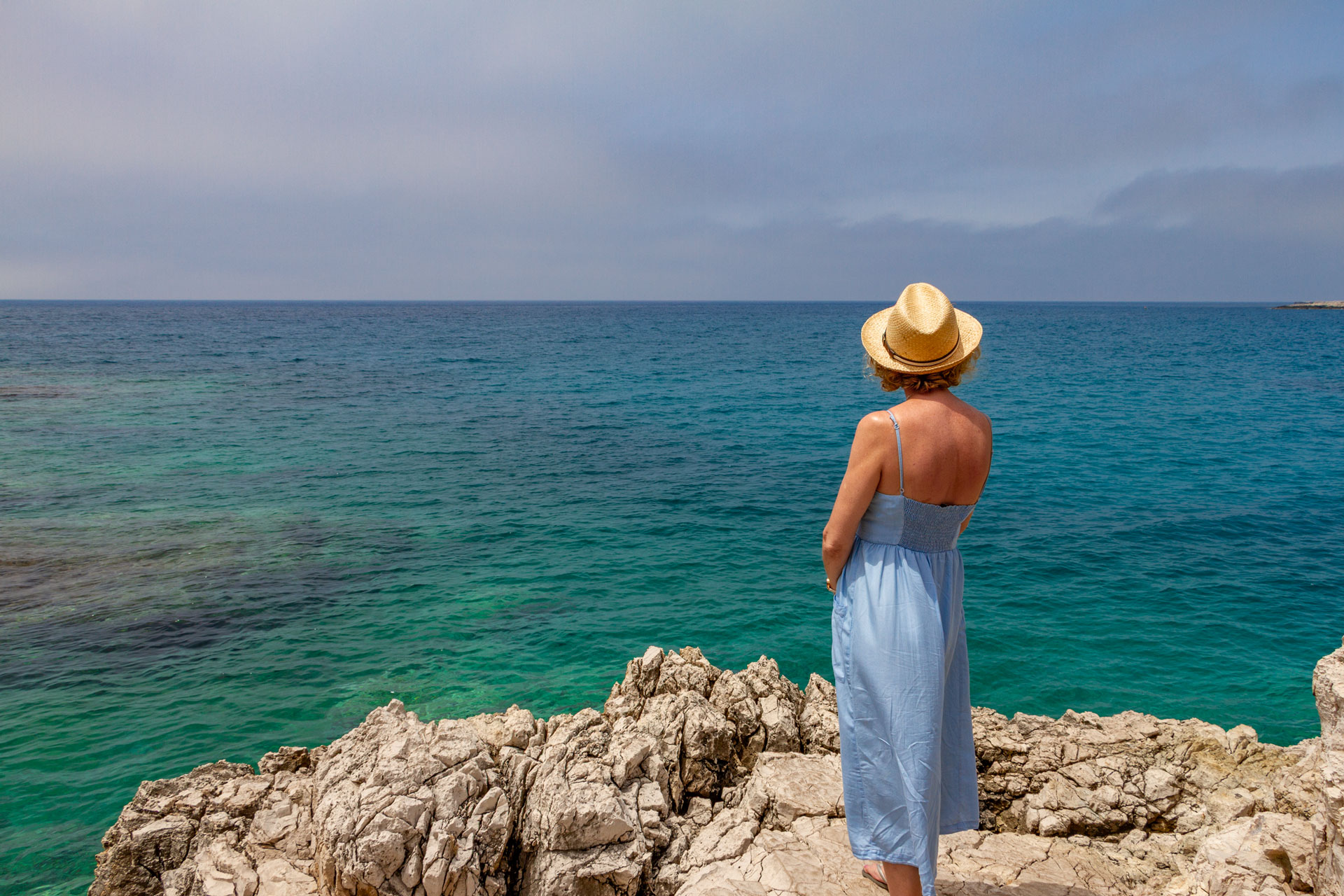
The coast. Nardò's Ionian coastline — known locally as the Riviera di Ulisse — lies just fifteen minutes by car. Santa Maria al Bagno and the adjacent Santa Caterina are small, characterful coastal villages with clear water and a fraction of the summer crowds that descend on Gallipoli, twenty minutes further south. For something wilder, Porto Selvaggio natural park offers a forested clifftop walk down to a sheltered cove of exceptional beauty — no sunbeds, no bars, no concessions.
Day trips. Lecce, universally acknowledged as the jewel of Salento's Baroque, is thirty minutes north — an easy half-day that rewards at least a full day if time allows. Otranto, with its Norman castle and mosaic cathedral floor, is forty minutes east on the Adriatic coast. Galatina, twenty minutes away, contains the Basilica di Santa Caterina d'Alessandria and its extraordinary 14th-century fresco cycle — one of the most undervisited treasures in the south. Wine country begins in Manduria, forty minutes north, where the powerful Primitivo grape produces wines of international reputation.
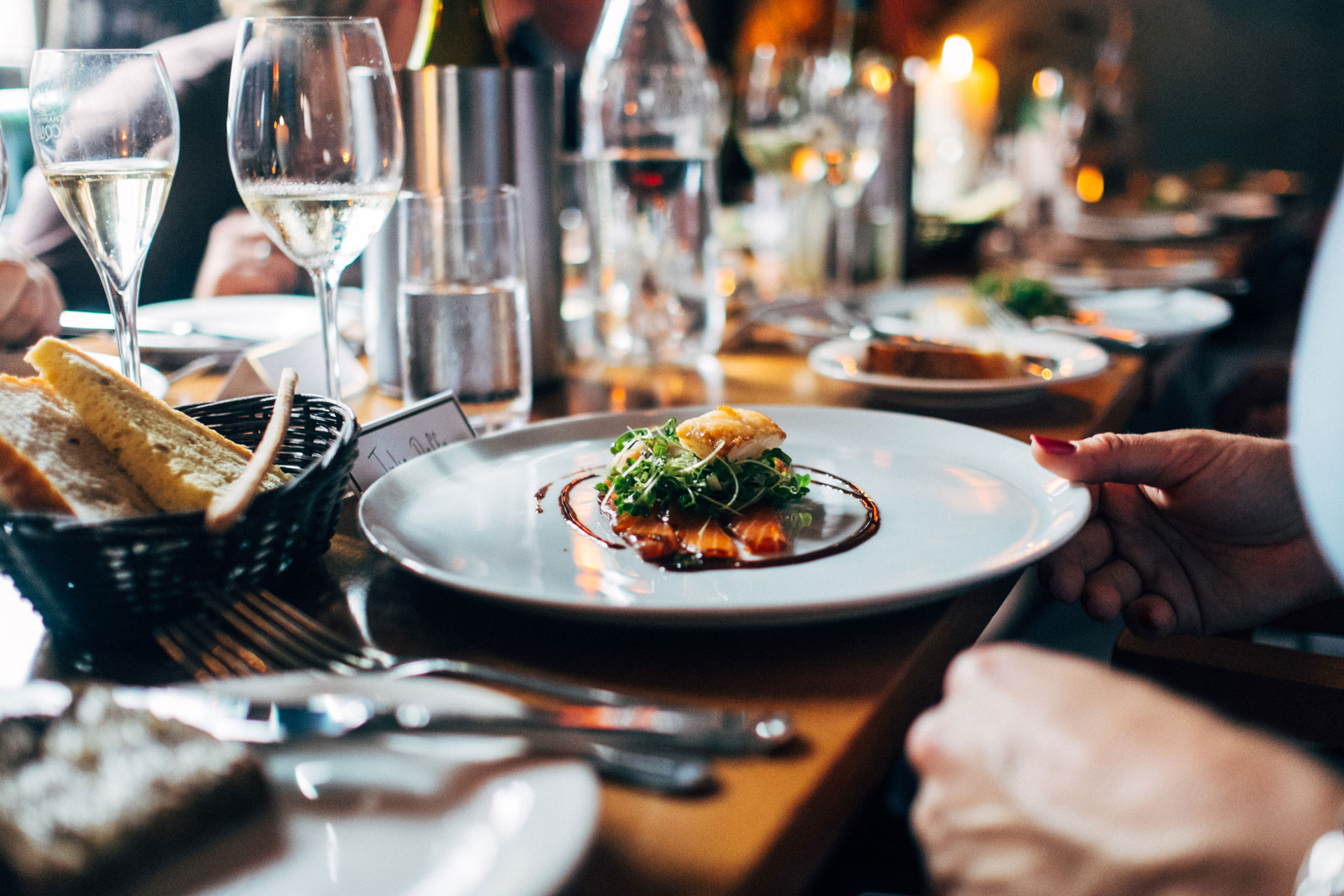
Food and wine. Eating in Salento is one of the genuine pleasures of Italian travel. The local canon includes orecchiette with cime di rapa, polpo alla pignata (octopus slow-cooked in a terracotta pot), friselle soaked in olive oil and topped with tomatoes, and a staggering variety of aged cheeses and preserved vegetables. Burrata, now fashionable across Europe, is at its best within twenty miles of where it is made — you are now within twenty miles. The wines of the region, Negroamaro and Primitivo above all, are serious, age-worthy, and still modest in price compared to their northern Italian equivalents.
Where to Stay in Nardò — Choosing Your Salento Base
The accommodation question in Salento is partly a question of philosophy. Masserie — the fortified farmhouses that dot the Pugliese countryside — offer pools, gardens, and a rural retreat that appeals to one kind of traveller. For those who came to experience a real Salento town, however, being outside the historic centre means missing precisely what makes a place like Nardò worth visiting.
To wake up inside the walls — to step directly from your front door onto the same cobbles that have been walked for five hundred years, to hear the town's bells and smell its morning bread — is a different experience entirely. Nardò's historic centre offers a small number of historic residences where this is possible, none more remarkable than Palazzo Cariddi.
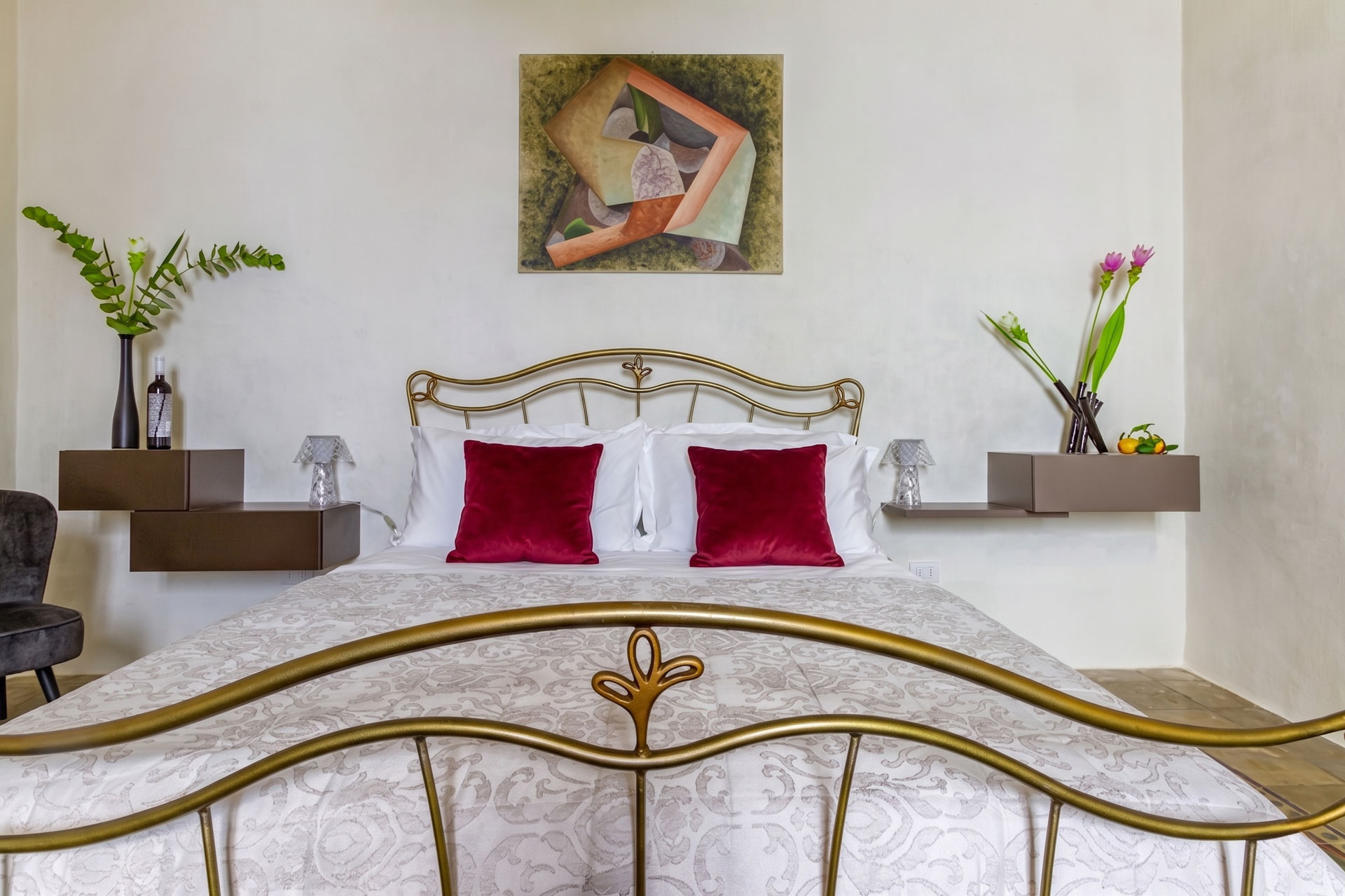
Palazzo Cariddi is a 16th-century palazzo in the heart of the centro storico, recently transitioned into an exclusive longer-stay private residence. The property comprises a two-bedroom apartment of considerable character, a private courtyard, and a 135-square-metre rooftop terrace with uninterrupted views over the Baroque rooftops of Nardò — a feature with few equals in the region. It occupies the sweet spot between the intimacy and authenticity of a privately-owned historic building and the quality and privacy that genuine luxury requires.
“Nothing compares to waking up in a 16th-century palazzo in the heart of town — stepping out to a terrace of Baroque rooftops and the silence of a Salento morning.”
For couples and small groups seeking space, privacy, and genuine character rather than a hotel room, Palazzo Cariddi offers something that no masseria on the outskirts, however well-appointed, can replicate: the lived experience of a building that has been part of Nardò's story for five centuries.
When to Visit Nardò and Practical Tips for Salento
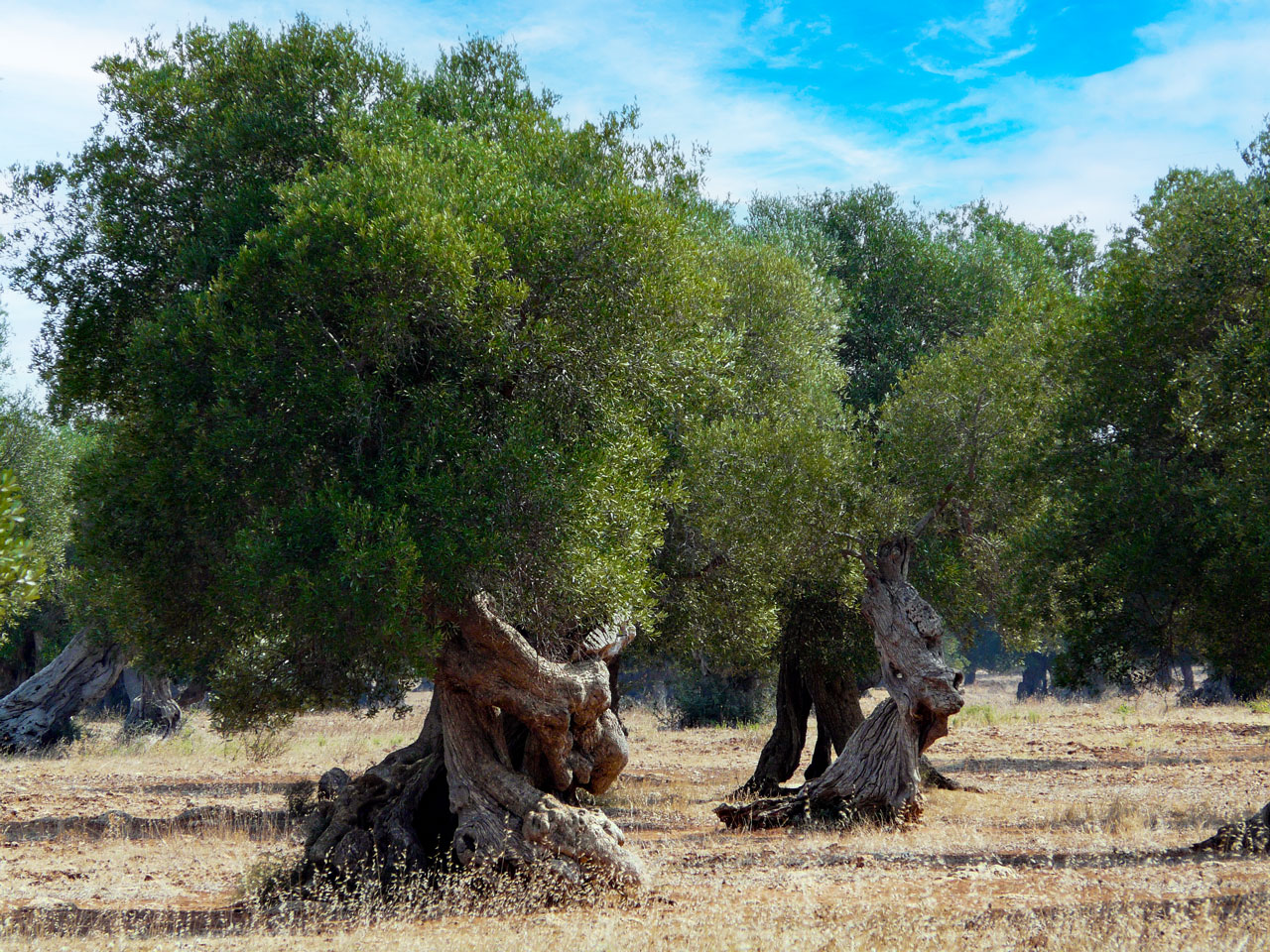
Best time to visit. May, June, and September are the finest months for Nardò and Salento. The weather is warm without the intensity of July and August; the beaches are swimmable; the countryside is green or golden depending on the month; and the town functions at its own pace rather than under the pressure of high season. Those who prefer to avoid crowds entirely should seriously consider October, when the light is extraordinary, the sea remains warm, and most of Puglia has already exhaled and returned to normal life.
Getting there. Brindisi Airport (BDS) is the most convenient gateway — forty minutes by car from Nardò. Ryanair, easyJet, and several other carriers operate routes from across the UK. Bari Karol Wojtyła Airport (BRI) is the larger alternative, around ninety minutes north. Car hire is essential for exploring Salento; the distances are modest, the roads are good, and the freedom to move between beaches, towns, and vineyards at your own pace is the point of the exercise.
In Nardò. The town has everything needed for a longer stay: a well-stocked supermarket, excellent bakeries and alimentari, a pharmacy, a weekly market, and a range of bars and restaurants serving the local population year-round rather than just in season. This is not a resort that closes in October — it is a real southern Italian town, and the traveller who settles in for a week or two will find themselves absorbed into its rhythms with surprising ease.
Practical notes. Eat late — lunch from 13:30, dinner rarely before 20:00 and often later. Dress modestly when visiting churches. A few words of Italian are warmly received, though younger residents in the hospitality industry typically speak English. July and August bring high prices, full beaches, and a different atmosphere; consider this honestly before booking.
Inspired to explore Salento from a truly special base? Discover Palazzo Cariddi — your exclusive 16th-century residence in the heart of Nardò.